SEO or SEM comes down to timeline and budget. SEO (organic search) takes three to six months to move but compounds into traffic you do not pay per click for, while SEM (paid search) buys visibility the same day and stops when the budget stops. Most businesses that can fund both should run both.
Key Takeaway
SEO builds long-term organic traffic that compounds over time but takes three to six months to show results. SEM (paid search) delivers immediate visibility but stops the moment you pause your budget. Most businesses get the best results by running both together, using SEM for immediate leads while SEO builds a durable foundation.
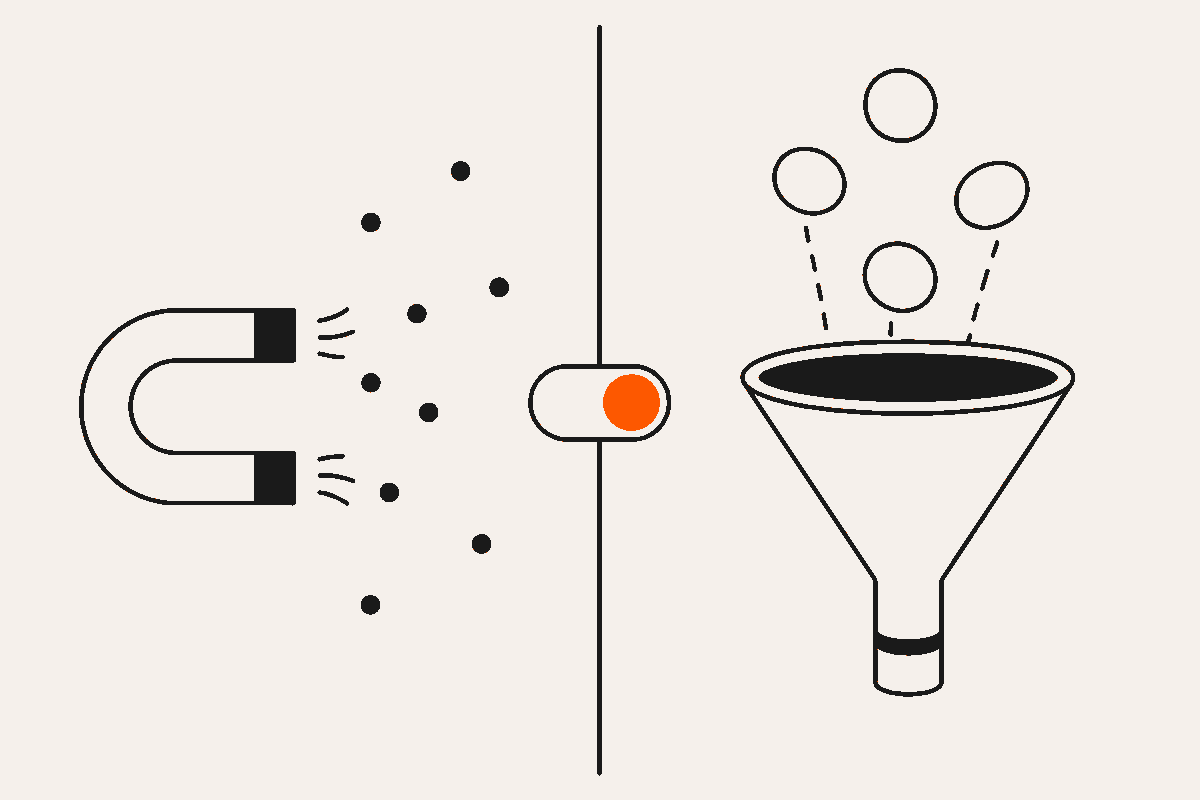
What Is SEO?
SEO (search engine optimization) is the process of improving your website so it ranks higher in organic search results. Organic means unpaid. When someone types a query into Google and clicks on a result that is not labeled "Sponsored," that click came from organic search.
SEO involves three main areas: technical optimization (making sure search engines can crawl and index your site), on-page optimization (aligning your content with what people actually search for), and off-page optimization (building authority through backlinks and mentions). If you want a deeper breakdown, read our full guide on what SEO is and why it matters.
The defining characteristic of SEO is that it takes time. You will not see results overnight. Most businesses need three to six months of consistent effort before they notice meaningful improvement. But the traffic you earn through SEO keeps coming even after you stop actively working on it, because your rankings tend to hold. That compounding effect is what makes SEO so valuable over the long term.
Explore our full SEO services to see how we approach it.
What Is SEM?
SEM (search engine marketing) is paid search advertising: businesses bid on keywords, ads appear above the organic listings, and the advertiser pays per click. Google Ads and Microsoft Advertising are the main platforms. Campaigns can start driving traffic the same day they launch and stop the moment the budget pauses.
The mechanics: in Google Ads or Microsoft Advertising (formerly Bing Ads), you bid on specific keywords. When someone searches one of those keywords, your ad can appear at the top of the results page, above the organic listings, and you pay each time someone clicks. That is why this model is called pay per click (PPC).
The biggest advantage is speed. You set a budget, choose your keywords, write your ads, and go, with no waiting period. The tradeoff is that the traffic stops completely when the ads pause. There is no residual benefit.
SEM also gives you precise control. You decide exactly which keywords trigger your ads, which geographic areas see them, what time of day they run, and how much you are willing to pay per click. That level of control makes SEM especially useful for testing and for campaigns with clear performance targets.
Learn more about our SEM and paid media services.
What Are the Key Differences Between SEO and SEM?
SEO and SEM differ on five axes: timeline (months versus hours), cost structure (labor versus per-click fees), click-through rate (organic results earn more clicks), trust (organic listings carry more implied credibility), and scalability (ad spend scales linearly while organic traffic compounds). The table sums it up, and each factor gets detail below.
| Factor | SEO | SEM |
|---|---|---|
| Time to results | 3 to 6 months | Same day |
| Cost model | Content, technical work, links; no per-click fee | Pay per click, $1 to $100+ each |
| Click share | Top result earns ~25 to 30% of clicks | Smaller share; many users skip ads |
| Trust signal | Implied endorsement from ranking | Labeled as sponsored |
| Scaling | Compounds; rankings persist | Linear; 2x traffic = 2x spend |
| When it stops | Traffic persists after work pauses | Traffic ends when budget ends |
Timeline
SEO is a long game. Expect three to six months before you see consistent results, sometimes longer in competitive industries. SEM delivers traffic almost immediately after your campaign goes live.
Cost Structure
SEO requires ongoing investment in content, technical work, and link building, but you do not pay for each click. Over time, your cost per visitor goes down as rankings improve. SEM charges you per click, so your cost is directly tied to your traffic volume. High-competition keywords can cost $20, $50, or even $100+ per click in some industries. For a detailed breakdown of paid search pricing, see our guide on how much Google Ads cost.
Click-Through Rates
Organic results generally earn higher click-through rates than paid ads. Studies consistently show that the top organic result gets roughly 25% to 30% of clicks, while paid ads collectively capture a smaller share. Many users scroll past the sponsored section entirely.
Trust and Credibility
Organic rankings carry more implied credibility. People understand that paid results are advertisements. When your site appears in the organic listings, it signals that Google considers your content genuinely relevant. That perception of trust is difficult to replicate with ads alone.
Scalability
With SEM, scaling is straightforward: increase your budget. But costs scale linearly. Twice the traffic means twice the spend. With SEO, scaling means creating more high-quality content and earning more authority. It takes longer, but the growth compounds. A well-optimized page can drive thousands of visits per month for years with minimal ongoing cost.
The short version: SEO builds equity that appreciates over time. SEM is a direct-response channel that works on demand. Neither one is inherently better. The right choice depends on your situation.
When Should You Choose SEO?
SEO is the right choice for businesses that can wait three to six months for results, want a durable asset that keeps producing traffic, face expensive cost-per-click prices in their industry, or sell products people research before buying. Each of those situations rewards patience with compounding organic traffic. In practice:
- You can be patient. If you have a stable business and can invest for three to six months before expecting significant returns, SEO will reward you with compounding traffic.
- You want to build a long-term asset. Every page you optimize and every backlink you earn is an investment in your domain authority. That value persists.
- The keywords you need have high CPCs. If your target keywords cost $30 or more per click in Google Ads, organic rankings become dramatically more cost-effective over time.
- You want to reduce your dependence on paid advertising. Businesses that rely entirely on paid traffic are vulnerable to budget cuts, rising ad costs, and algorithm changes. A strong organic presence provides a safety net.
- You are in a content-rich industry. If your customers search for information before making a purchase, SEO lets you capture that research traffic and build trust before they are ready to buy.
When Should You Choose SEM?
SEM fits businesses that need leads now, want to test whether a keyword converts before investing months of SEO in it, compete against entrenched organic incumbents, have clear cost-per-acquisition targets, or need precise geographic targeting. Paid search trades ongoing cost for immediate, controllable visibility. In practice:
- You need results now. Launching a new product, running a seasonal promotion, or entering a new market? SEM gets you in front of searchers today, not months from now.
- You want to test new keywords or markets. Before committing to a six-month SEO strategy around a keyword, you can run paid ads to see if that keyword actually converts. This is one of the smartest uses of SEM.
- The organic landscape is extremely competitive. In some industries, the first page of Google is dominated by massive brands with years of SEO investment. Paid search lets you compete immediately while your organic strategy develops.
- You have clear ROI targets. SEM makes it easy to measure cost per acquisition down to the penny. If you know exactly what a customer is worth to you, you can set your bids accordingly and run a profitable campaign from day one.
- You need geographic or demographic precision. SEM lets you target specific zip codes, cities, or audience segments. That level of targeting is harder to achieve with SEO alone.
Why Do SEO and SEM Work Best Together?
Running SEO and SEM together covers each channel's weakness: paid ads deliver leads during the months organic rankings take to build, organic data sharpens ad copy and keyword choices, ad data shows which keywords convert before SEO commits to them, and holding both a paid and an organic spot doubles visibility.
SEM covers the gap while SEO builds. The biggest challenge with SEO is the waiting period. Running paid search campaigns during those first few months means you are still generating traffic, leads, and revenue while your organic rankings develop. Once your SEO gains traction, you can gradually shift budget away from paid clicks on keywords where you already rank well.
SEO data improves your SEM campaigns. Your organic search performance reveals which pages generate the most engagement, which queries bring the most qualified visitors, and which content topics resonate with your audience. That data helps you write better ad copy, choose more profitable keywords, and build higher-converting landing pages. Our breakdown of what makes a landing page convert covers what those pages need.
SEM data accelerates your SEO strategy. The reverse is also true. Paid search gives you immediate feedback on which keywords convert. Instead of guessing which terms to target with SEO, you can look at your ad data and prioritize the keywords that are actually driving revenue.
Owning both spots builds dominance. When your business appears in both the paid results and the organic results for the same query, your visibility doubles. Research shows that appearing in both positions increases total clicks significantly, even if some of those clicks would have gone to your organic listing anyway. It also pushes competitors further down the page.
Retargeting connects the two channels. Someone visits your site through an organic search result but does not convert. With a retargeting campaign (a form of paid advertising), you can show them ads as they browse other sites, keeping your brand in front of them until they are ready to take action. This is one of the simplest ways to turn organic traffic into paying customers.
Think of it this way: SEO is planting a garden. SEM is buying produce at the market. Both feed your business. The garden gives you free food for years, but it needs time and care. The market gives you what you need today, but you pay every time you go.
Frequently Asked Questions
Can I do both SEO and SEM at the same time?
Yes, and most businesses get the best results by running both together. SEM generates immediate traffic and leads while SEO builds long-term organic visibility. The data from your paid campaigns also helps you identify which keywords convert, so you can prioritize those in your SEO strategy.
Which is cheaper in the long run, SEO or SEM?
SEO is typically cheaper over a multi-year period. While it requires upfront investment in content and optimization, the traffic it generates does not cost you per click. SEM costs scale linearly with traffic volume, so doubling your clicks means doubling your spend. Over time, a strong organic presence reduces your dependence on paid ads.
How fast do Google Ads start working?
Google Ads can start driving traffic within hours of launching a campaign. However, it typically takes two to four weeks of data collection and optimization before a campaign reaches its full performance potential. Initial results improve as you refine targeting, ad copy, and bidding based on real performance data.
Should I stop running ads once my SEO starts working?
Not necessarily. Many businesses reduce their ad spend on keywords where they already rank organically, but continue running ads for competitive terms, new services, or time-sensitive promotions. Appearing in both paid and organic results for the same query increases your total visibility and click share.
What budget do I need to start with SEM?
Most small businesses can run a meaningful Google Ads campaign with $1,000 to $3,000 per month in ad spend, plus management fees. The right budget depends on your industry's average cost per click and how many leads you need. High-competition industries like legal or insurance require higher budgets because individual clicks cost more.
Where Should You Start?
Where to start depends on your current position. A business with no online presence should start with SEM for immediate traffic while building SEO in parallel. A business with a solid website that needs to rank higher should lead with SEO. With budget for both, run both from the beginning.
The worst approach is doing neither. Every day your business is invisible in search results is a day your competitors are capturing the customers you could be reaching.
If you are weighing the two for an Austin business, our Austin SEO services page covers what this market takes, and our pricing page lists monthly rates for SEO and SEM management side by side.
Not sure which path makes sense for you? . We will look at your market, your competition, and your goals, and put together a plan that fits.